
When I sit down with players over a coffee in Darwin, the conversation usually turns buffalo-slot-machine-au.com to how they actually move through a live table rather than what the marketing promises. The live dealer pokie battle AUD format sits at a specific intersection of real-time dealer interaction and familiar pokies mechanics, and that shape matters more than the gloss on the homepage. In this walkthrough I want to show exactly how a player encounters the experience from first click to settled session, and why the interface choices around it change how long someone stays engaged.
If you are weighing whether the experience is worth your time, a recent casinorocket review lays out the broader platform context that surrounds these tables, including how the lobby structure and dealer rotation actually feel once you are inside.casinorocket review
How the Lobby and Table Entry Work
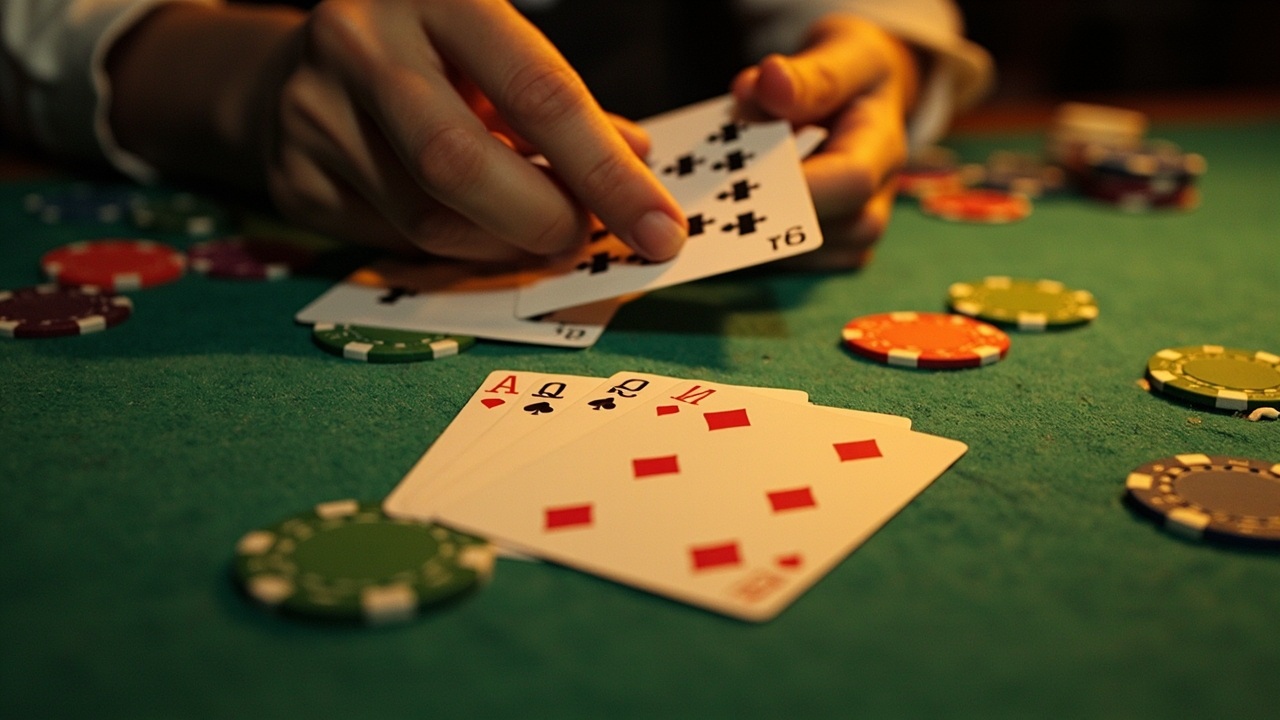
The first thing a player notices is not the cards or the reels but the way the lobby separates live tables from standard pokies. Live dealer pokie battle AUD is positioned as a hybrid zone, with a small set of branded tables that blend a live dealer feed with pokies-style bonus rounds. The visual identity leans toward warm earth tones and clean typography rather than loud neon, which helps the screen stay readable on a laptop or phone in bright daylight. Navigation sits in a left rail with a search bar up top, so a returning player can type a table name or a dealer name and land on the right stream without scrolling through a crowded grid.
Currency and language are handled early in the entry flow. The lobby defaults to AUD for Australian players, and every bet prompt, balance display, and bonus meter reads in dollars and cents rather than a converted figure. That localisation is not just cosmetic. When a player in Darwin is watching a late arvo session, the numbers on screen match the wallet they actually use, which removes a layer of friction that often shows up on platforms that default to EUR or USD. Registration asks for standard identity details and a payment method before the first real-money spin, so the account is verified before any bonus meter starts ticking.
The table entry itself is a single click from the lobby. Once a player selects a live dealer pokie battle AUD table, the stream loads with the dealer on camera, the bonus wheel or pokies-style feature panel visible on the side, and a clear bet control panel below. The dealer acknowledges new players by name when the chat is active, and the first round usually starts within a minute of entry. That short wait matters because it keeps the session from feeling like a queue, and it gives the player a moment to check the bet limits and the bonus trigger rules before committing.
Interface, Localisation, and Everyday Usability
The interface around live dealer pokie battle AUD is built around three things that players notice quickly: the clarity of the bet panel, the way the bonus mechanic is explained, and how the stream behaves when the connection dips. The bet panel uses large, clearly separated controls for stake, max bet, and auto-play toggles, with the current balance and pending bonus meter shown in a fixed position so they never scroll out of view. That layout is deliberate. When a player is making fast decisions during a live round, the most useful numbers are the ones that stay put, and the panel design reflects that priority.
Bonus mechanics are shown in plain language before the first spin. Each table lists the trigger condition for the pokies-style feature, the stake range that qualifies, and the way the dealer pauses for the feature round. That transparency is not just a compliance detail. It is also a retention choice, because players who understand the feature before they join are less likely to leave when the first bonus round does not land on their preferred outcome. The localisation extends to the chat and support layer as well. Messages from the dealer and the support team appear in Australian English, and the help panel offers live chat during local hours with a callback option for more complex account questions.
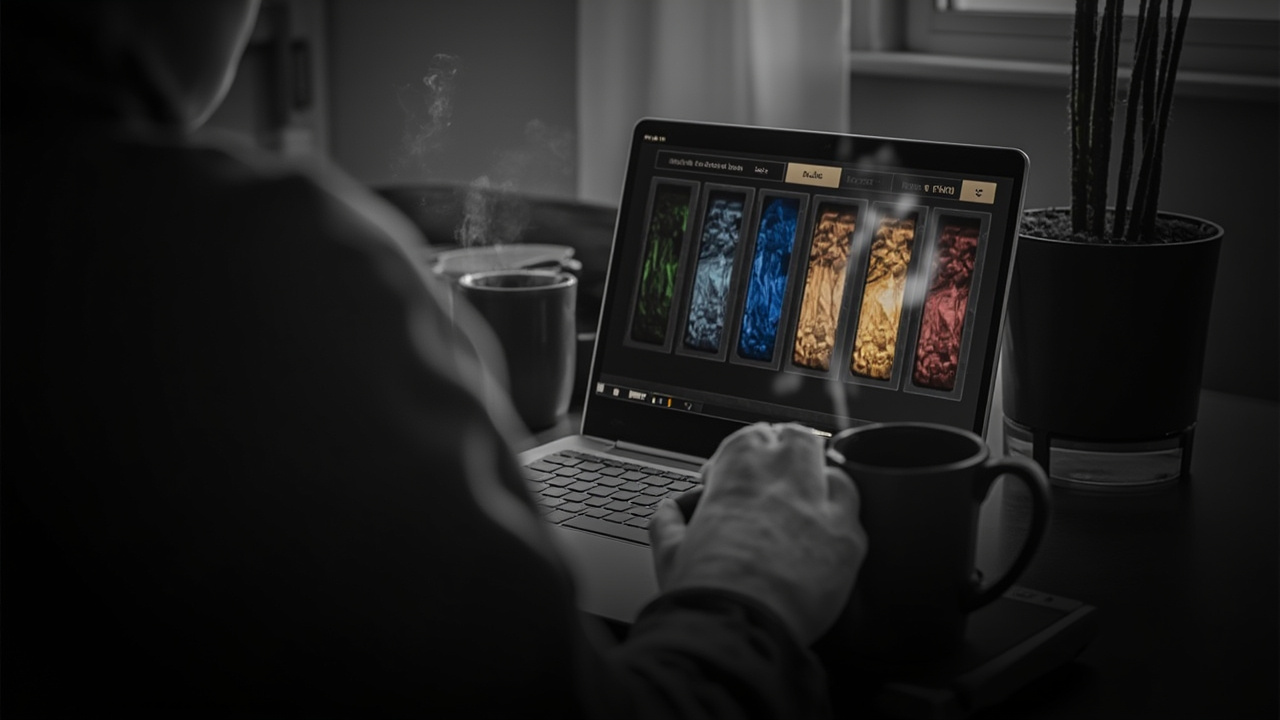
The stream itself is tuned for everyday use rather than maximum spectacle. The video feed stays stable on a mid-range laptop and on a phone held in portrait mode, and the dealer camera angle keeps the table and the feature panel in the same frame. That consistency matters for players who switch devices during a session, because the same information stays visible without having to relearn the layout. When connection quality drops, the panel keeps showing the last settled result and the current balance, so the player is not left guessing about where they stand. A practical note from one operator I have worked with is that a stable, readable feed with clear bet controls will outperform a flashy stream that hides the balance behind animations, and that judgement call has shaped how I evaluate these tables for player fit.
For players who want to understand how the live dealer setup works across devices, a short piece on running a live casino op laptop covers the practical side of how the stream and controls behave when you are not on a dedicated desktop setup.Live Casino Op Laptop: A Flexible
The loyalty layer ties into the same usability logic. Players earn points on each settled round, and the points convert into table credits or bonus spins rather than sitting in a separate wallet that is hard to use. The reward structure is visible in the same panel as the balance, so a player can see how a session is building toward a reward without opening another menu. Support follows the same principle. The live chat is the first stop for table questions, bet disputes, or bonus clarification, and the team is trained to resolve table-specific queries without sending the player back to a generic help page. That approach keeps the session moving and reduces the kind of frustration that drives players away after a single bad round.
Who the Experience Fits Best
Live dealer pokie battle AUD suits players who want a live table feel without giving up the familiar rhythm of pokies-style features. It is a good fit for someone who likes the social element of a live dealer but still wants the bonus meter and feature rounds that make pokies sessions feel structured. The format also works for players who value clear bet limits and visible bonus rules, because the table is designed around transparency rather than hidden triggers. Players who prefer quiet, solitary play may find the live chat and dealer interaction more distraction than help, and that is a fair reason to look elsewhere.
The AUD default and local support make the experience easier for Australian players who want to keep everything in one currency and one time zone. The lobby structure and search function help returning players find the same table or dealer without hunting through a crowded grid. For players who care about session length and steady engagement, the combination of a stable feed, clear controls, and a visible reward meter is more useful than a loud presentation that looks good for a minute and then gets in the way.
I would not call this format the right choice for every player, and I would not pretend it is the safest or most trusted option on its own. What I can say is that the design choices around it – the lobby layout, the AUD localisation, the plain-language bonus rules, and the support that stays close to the table – make it a practical experience for players who know what they want from a live session. That is the kind of judgement call I make when I am looking at retention and service quality together, because the two are never really separate.